
Surfaces Protected From Weather and Traffic
Asphalt Maintenance in Carson City for pavement exposed to seasonal temperature fluctuations and daily vehicle use
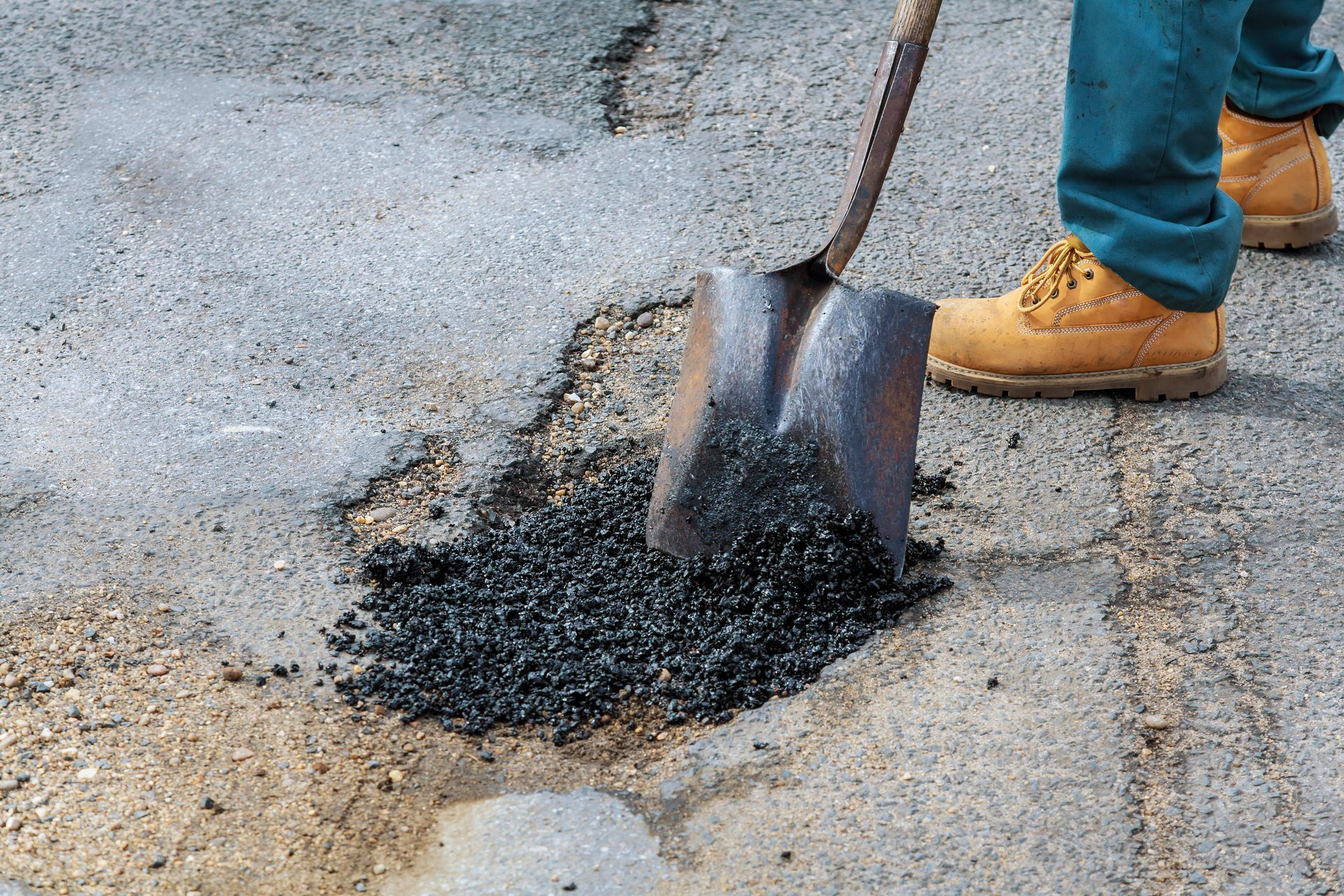
The Carson City area's elevation and desert climate create conditions where winter freezing and summer heat cycles accelerate asphalt deterioration. A Plus Sealing LLC approaches maintenance by addressing what actually breaks down the pavement: ultraviolet radiation that oxidizes the binder, water penetration that erodes the base during freeze-thaw events, and traffic stress that widens existing weaknesses into structural failures. The work involves sealcoating to restore the protective surface layer, crack sealing to stop water intrusion, and patching to repair areas where the pavement has already failed.
Regular maintenance prevents the progression from minor surface wear to expensive reconstruction. When oxidation first appears as gray discoloration, the pavement still has structural integrity but has lost its weather resistance. Sealcoating at this stage reintroduces the protective barrier that blocks further UV damage and keeps water on the surface where it can drain away rather than soaking through to the base layer.
Schedule a pavement inspection to determine which maintenance treatments will address current conditions before they advance to more costly repair requirements.
What You Notice Once Maintenance Is Finished
Maintained asphalt looks uniformly dark and smooth instead of showing the gray, weathered appearance of oxidized pavement. The surface sheds water cleanly rather than allowing it to pool in low spots or soak into cracks, and it stops releasing loose stones that get tracked into buildings or kicked up by tires. Sealed cracks no longer collect debris or sprout weeds, and the pavement feels firm underfoot rather than spongy in areas where water has softened the base.
Maintenance plans for commercial properties typically include annual crack sealing to address new damage as it appears and sealcoating every two to three years to maintain surface protection. Residential driveways follow similar intervals but may adjust based on vehicle traffic levels and sun exposure patterns that affect how quickly the surface degrades. Industrial sites with heavy truck traffic often need more frequent attention in high-stress zones like turn radii and loading areas.
The cost difference between preventative maintenance and deferred repairs grows exponentially once water reaches the aggregate base. Sealcoating costs a few dollars per square yard, crack sealing adds minimal expense, but excavating failed pavement and rebuilding the base layer runs ten to fifteen times higher because it involves removing and disposing of deteriorated material, regrading and compacting new base, and laying fresh asphalt.
Common Questions About This Service
Property owners evaluating asphalt maintenance options typically want to understand how the work protects their investment and what they should expect during and after the project.
A Plus Sealing LLC develops maintenance plans for residential and commercial properties throughout Carson City, Truckee, CA, Reno and surrounding areas based on current pavement condition and expected traffic patterns. Call today at (775) 301-0397 to review your property's needs and establish a maintenance schedule that prevents accelerated deterioration.
What happens if you wait too long between maintenance cycles?
Oxidation progresses from surface discoloration to brittleness that causes raveling, where aggregate stones break loose from the weakened binder, and cracks widen enough to allow water penetration that erodes the base and creates potholes requiring full-depth reconstruction.
How does elevation affect asphalt performance in Carson City?
The area's four-thousand-foot elevation means greater temperature swings between day and night, which increases expansion and contraction stress on pavement, while lower humidity allows faster moisture evaporation that can make new asphalt cure too quickly if not properly managed.
Why do some driveways last decades while others fail within years?
Pavement longevity depends on base preparation, proper compaction during installation, drainage design that moves water away from the surface, and whether the owner maintains the protective sealcoat layer that prevents oxidation and water intrusion.
When should maintenance start on newly installed asphalt?
Fresh pavement needs six to twelve months to cure and release volatile oils before applying sealcoat, but crack inspection should begin immediately to catch any settlement issues or installation defects while they're still minor.
How do you measure whether maintenance is working?
The pavement should remain flexible enough to resist cracking under temperature changes, water should bead on the surface rather than soaking in, and the aggregate should stay locked in the binder matrix rather than coming loose under traffic.