
Pavement Protection That Blocks Weather Damage
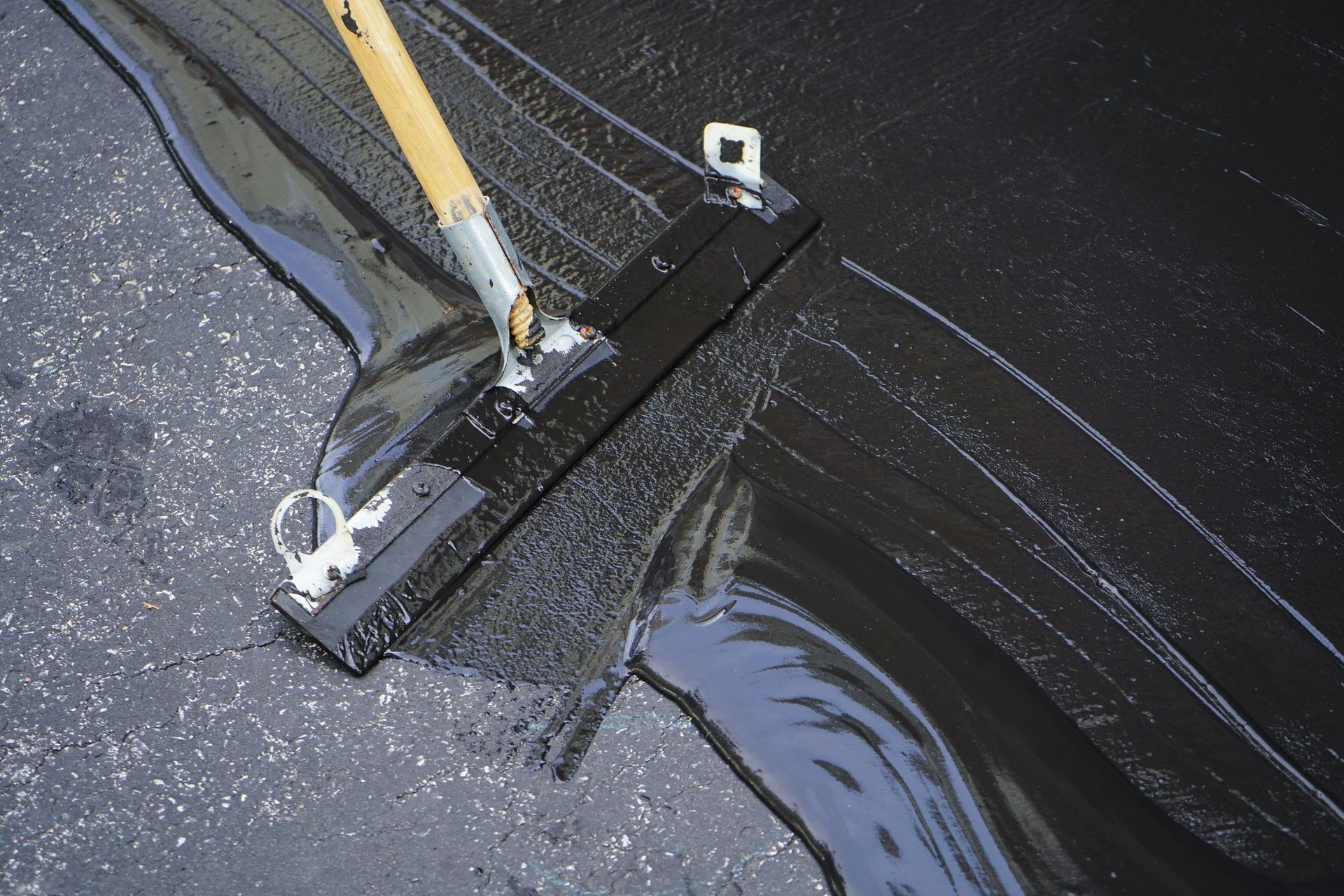
Sealcoating in Carson City for asphalt surfaces showing gray oxidation and early surface deterioration
Sealcoating functions as a renewable barrier between asphalt pavement and the elements that degrade it. A Plus Sealing LLC applies this protective layer to driveways, parking lots, and roadway surfaces in Carson City, Sparks, Truckee, CA and surrounding areas after the original petroleum binder has oxidized and lost its ability to repel water and resist UV damage. The coating reintroduces the flexible, weather-resistant surface that keeps moisture from penetrating to the base layer and prevents further brittleness from developing in the pavement structure.
The application process requires clean, dry pavement because the coating bonds to the existing asphalt at a molecular level. Any dirt, oil residue, or standing water prevents proper adhesion and causes premature failure. Carson City's low humidity generally supports faster drying times than coastal regions, but morning dew and afternoon thunderstorms during summer months create windows where surface moisture delays when work can proceed.
Request a sealcoating estimate that includes surface preparation requirements and identifies the optimal application schedule for your property.
What Changes After Sealcoating Completes
Fresh sealcoat transforms the pavement's appearance from weathered gray to a deep black finish that looks newly installed. More importantly, water behavior changes: rain beads and runs off the surface instead of soaking into porous, oxidized asphalt. Oil and gasoline spills sit on top where they can be cleaned away rather than penetrating and softening the binder. The surface stops releasing fine dust and loose aggregate particles that previously indicated the binder was breaking down.
Sealcoating extends pavement lifespan by slowing the oxidation process that makes asphalt brittle and prone to cracking. Regular reapplication every two to three years maintains this protection continuously, preventing the accelerating deterioration cycle where small surface cracks admit water that freezes, expands, and creates larger structural failures. The cost of periodic sealcoating represents a small percentage of what full pavement replacement would require once the base layer fails from water damage.
Curing time varies with temperature and humidity, but you should avoid vehicle traffic for at least twenty-four hours after application to allow the coating to harden fully. Foot traffic can resume sooner, typically within four to eight hours in warm, dry conditions. Premature use leaves tire marks and can pull the coating away from the pavement before it has bonded completely.
Questions Before Starting Your Project
Property owners considering sealcoating typically need information about timing, durability, and how the treatment integrates with other maintenance activities.
A Plus Sealing LLC applies sealcoating throughout Carson City and neighboring communities using surface preparation methods that remove contaminants and ensure proper adhesion for long-lasting results. Call (775) 301-0397 to schedule your sealcoating service and protect your pavement investment from accelerated weather damage.
What temperature range works best for sealcoating application?
The pavement surface should be above fifty degrees Fahrenheit and rising, with air temperatures expected to stay above that threshold for at least twenty-four hours afterward, so the coating can cure properly without being compromised by cold that prevents bonding.
How does sealcoating protect against oil and gasoline spills?
The coating creates a barrier that prevents petroleum products from dissolving the asphalt binder underneath, though spills should still be cleaned promptly because prolonged contact with concentrated chemicals can eventually penetrate even sealed surfaces.
Why do some sealcoated surfaces wear faster than others?
Traffic volume, surface preparation quality, and coating thickness all affect longevity, but the biggest variable is whether the pavement was in good condition before sealing—coating can't repair structural damage or bond properly to surfaces with active cracking and deterioration.
When should you sealcoat after installing new asphalt?
New pavement needs six to twelve months to cure fully and release volatile oils that would prevent the sealcoat from adhering correctly, so rushing the application can cause bonding failures and premature coating breakdown.
How do you know when it's time to reapply sealcoat?
The surface will start showing gray patches where oxidation has worn through the coating, water will soak in rather than beading on top, and you'll notice fine black residue on shoes or vehicle tires where the coating has degraded and become powdery.