Roadway Surfaces That Withstand Continuous Traffic
Roadways in Carson City for pavement showing advanced weathering and structural deterioration
High-traffic roadway environments expose asphalt to relentless vehicle loads and weather cycles that create cracks, surface erosion, and base failures requiring systematic maintenance intervention. Preventative maintenance strategies applied at the right intervals preserve roadway safety and durability while avoiding the disruption and expense of full reconstruction. A Plus Sealing LLC handles crack sealing, sealcoating, asphalt repair, and roadway surface maintenance designed to extend pavement lifespan in Carson City, South Lake Tahoe, CA and surrounding areas where temperature extremes and moisture exposure accelerate deterioration.
The work addresses visible cracking before water infiltrates the base layer, applies protective coatings that slow oxidation and surface wear, and repairs localized failures that compromise structural integrity. Each maintenance activity targets a specific failure mode common to roadway pavement.
Schedule a roadway asphalt maintenance evaluation to assess pavement condition and prioritize repair zones.
Why Preventative Roadway Maintenance Works
Roadway maintenance involves crack sealing with hot-applied rubberized material that prevents water intrusion, sealcoating application across oxidized surfaces to restore the asphalt binder's protective qualities, and patching or overlay work where the base has deteriorated beyond surface treatment. A Plus Sealing LLC coordinates efficient service scheduling to minimize traffic disruption during application and curing periods.
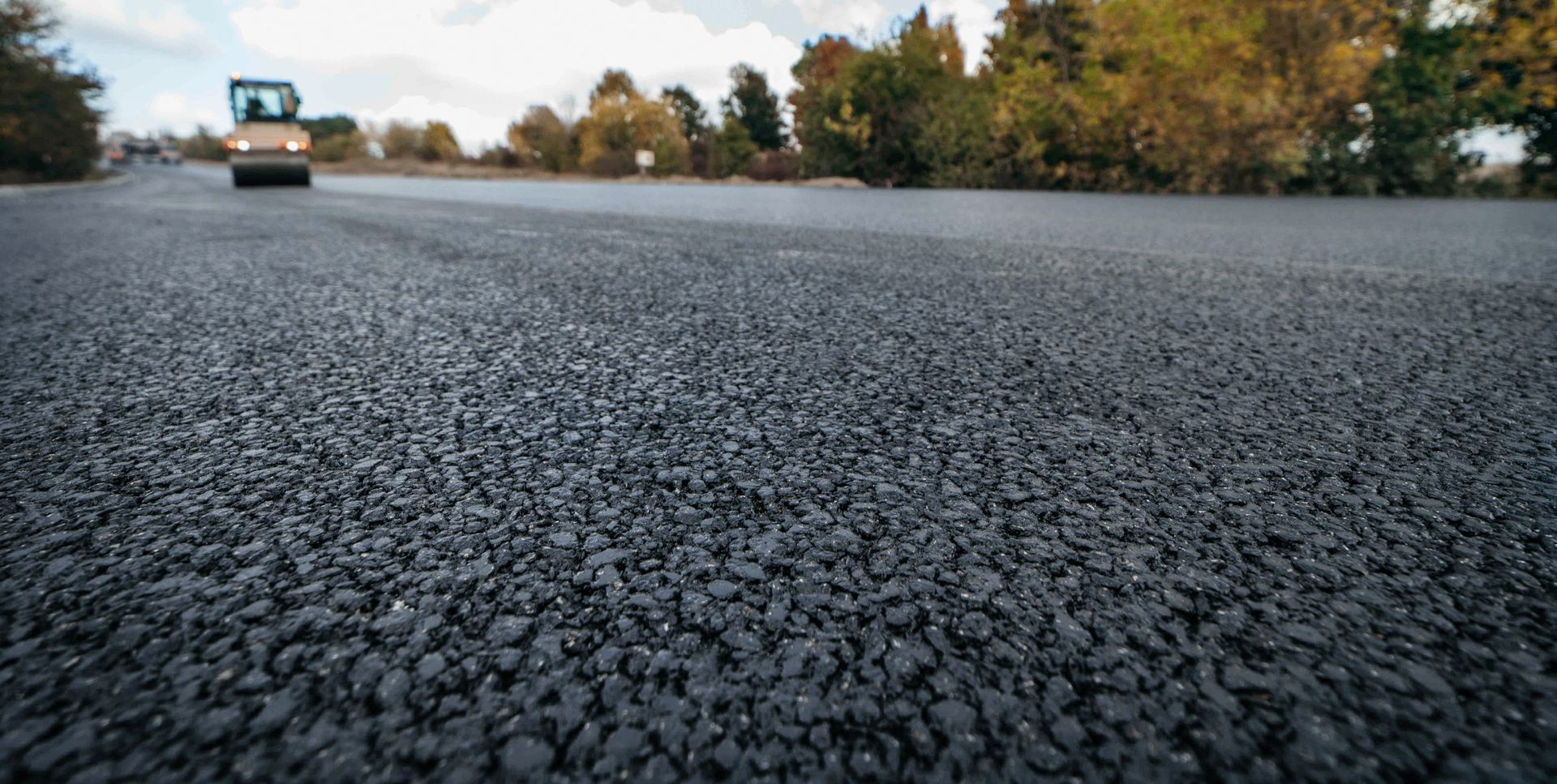
After maintenance, roadway surfaces show elimination of open cracks that previously channeled water beneath the pavement, restoration of uniform black color across treated sections, and improved ride quality where rough or broken pavement has been repaired. Vehicles experience reduced impact from surface irregularities.
Maintenance frequency depends on traffic volume and climate exposure, with heavily traveled roads requiring annual crack sealing and sealcoating every three to five years. Lighter-use roadways may extend those intervals, but delaying treatment allows minor cracks to widen into structural failures that demand more intensive repair.
What Property Owners Usually Ask
Roadway maintenance decisions often involve these practical considerations regarding timing and approach.
A Plus Sealing LLC provides dependable project scheduling and efficient service coordination for roadway asphalt maintenance. Reach A Plus Sealing LLC at (775) 301-0397 to discuss pavement preservation strategies and schedule evaluation.
What makes roadway asphalt maintenance different from parking lot work?
Roadways handle faster-moving traffic with greater impact forces and require coordination with traffic control measures, while parking lots involve slower speeds but more turning stresses and longer stationary loads.
How does weather affect roadway pavement in Carson City?
Winter freeze-thaw cycles cause water trapped in cracks to expand and contract, widening gaps and accelerating base erosion, while summer heat softens asphalt and increases rutting susceptibility under heavy loads.
When should crack sealing occur to prevent base damage?
Sealing cracks within the first year of appearance stops water from reaching the aggregate base, preventing the erosion and settlement that leads to pothole formation and structural failure.
Why do some roadway sections fail faster than others?
Areas with poor subsurface drainage, heavy truck traffic, or inadequate base preparation during initial construction experience accelerated deterioration regardless of surface maintenance efforts.
What does sealcoating protect against in high-traffic environments?
The sealer blocks ultraviolet radiation that breaks down asphalt binder, prevents water infiltration that weakens the base, and creates a sacrificial layer that absorbs surface wear instead of the underlying pavement.